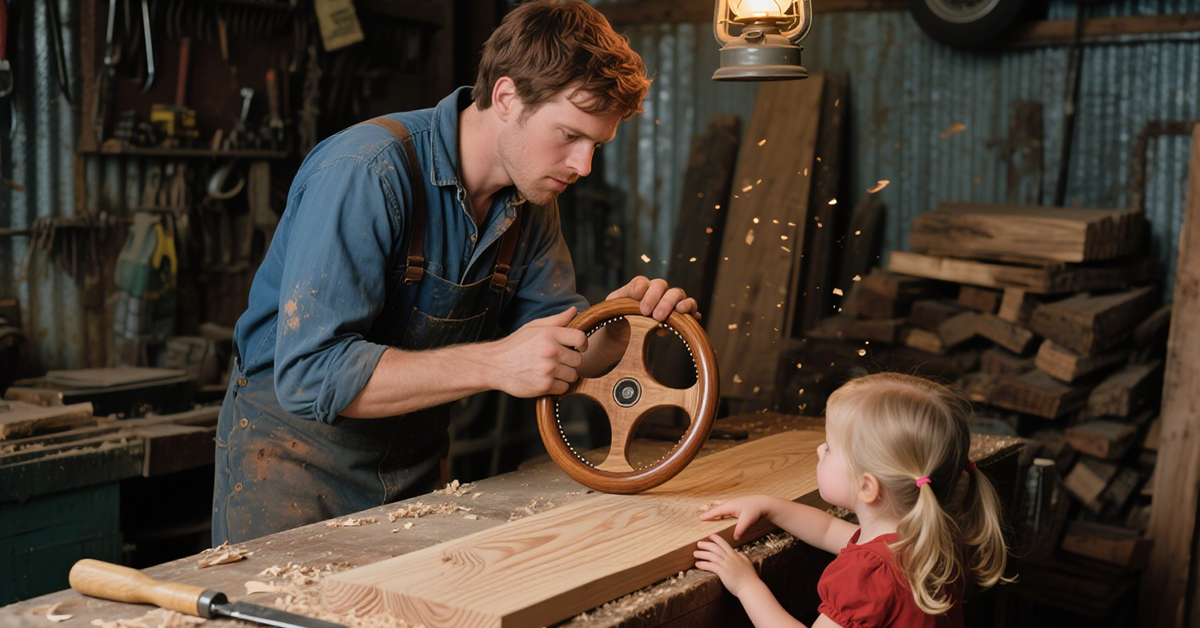
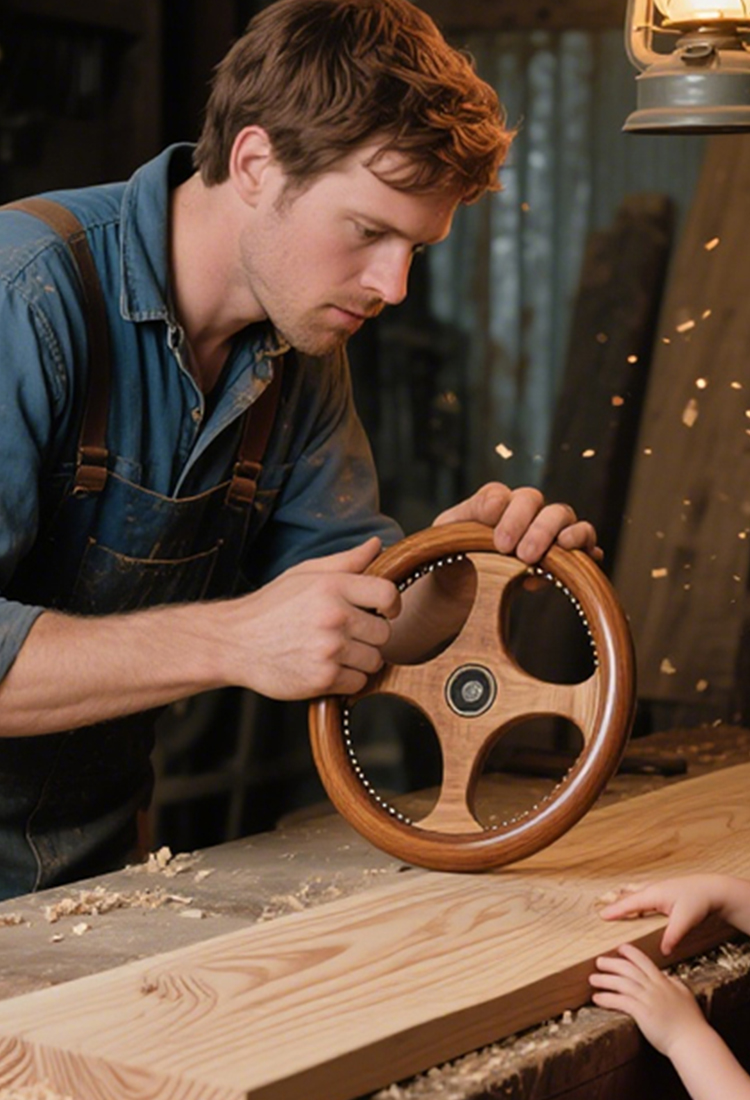
In the late autumn of 1923 in Detroit, Henry Ford's assembly line was delivering T-type cars to all parts of the United States. In a tin warehouse beside Woodward Avenue, 23-year-old immigrant youth Karl Hoffmann was sanding an oak steering wheel cover with a sandpaper. His father lost three fingers in an accident at a Pittsburgh steel factory. This auto mechanic apprentice from Bavaria was weaving the American Dream with his calloused hands.
"Father, does this wood breathe?" Five-year-old daughter Alice stood on tiptoe, her nose touching the smooth wood grain. Karl put down the carving knife and lifted his daughter onto the workbench: "Each piece of wood has a heartbeat, just like the roar of the car engine." He taught his daughter to feel the ups and downs of the tree rings and the trajectory of its growth. This moment became the initial seed of Jager Auto Parts Store - not cold commodities, but reverence for mechanical life.
"Father, does this wood breathe?" Five-year-old daughter Alice stood on tiptoe, her nose touching the smooth wood grain. Karl put down the carving knife and lifted his daughter onto the workbench: "Each piece of wood has a heartbeat, just like the roar of the car engine." He taught his daughter to feel the ups and downs of the tree rings and the trajectory of its growth. This moment became the initial seed of Jager Auto Parts Store - not cold commodities, but reverence for mechanical life.
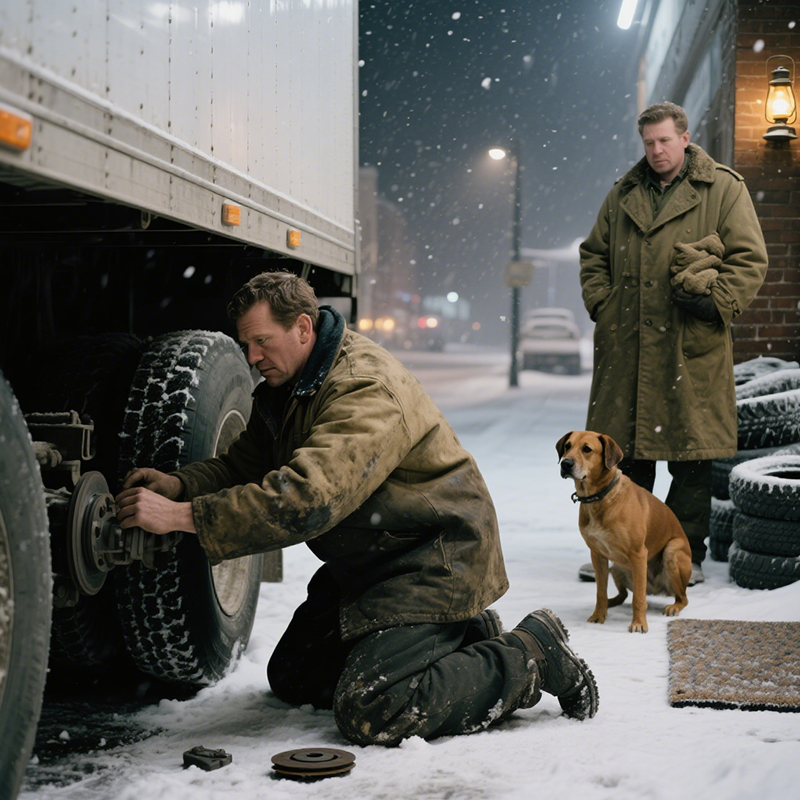
During the Great Depression, the streets of Detroit were covered with newspapers of the unemployed. However, Carl's small shop was brightly lit. He used recycled tire rubber to make foot mats and refined waste engine oil to make lubricants. One snowy night, a truck driver came in with a frozen hunting dog: "The brakes failed. I'm going to Chicago to deliver life-saving medicine." Carl removed the brake pads from his truck and crawled into the engine compartment wrapped in a blanket. As the eastern sky turned pale, he tightened the last screw, and the hunting dog licked his cracked palm. The driver handed him a crumpled five-dollar bill, which was his three-day meal money.
During the smoke of World War II, Chari's warehouse turned into a military factory. Carl led the workers to rush to produce tank track protection pads day and night, and Alice sewed steering wheel covers for the front-line soldiers under the kerosene lamp. On Christmas Day in 1944, a letter arrived from Normandy: "Dear Mr. Hoffman, your anti-skid pads have enabled my jeep to stay in the Ardennes Forest for three more hours, saving the lives of five people." On the yellowed edges of the letter, there were blurry bloodstains.
During the smoke of World War II, Chari's warehouse turned into a military factory. Carl led the workers to rush to produce tank track protection pads day and night, and Alice sewed steering wheel covers for the front-line soldiers under the kerosene lamp. On Christmas Day in 1944, a letter arrived from Normandy: "Dear Mr. Hoffman, your anti-skid pads have enabled my jeep to stay in the Ardennes Forest for three more hours, saving the lives of five people." On the yellowed edges of the letter, there were blurry bloodstains.
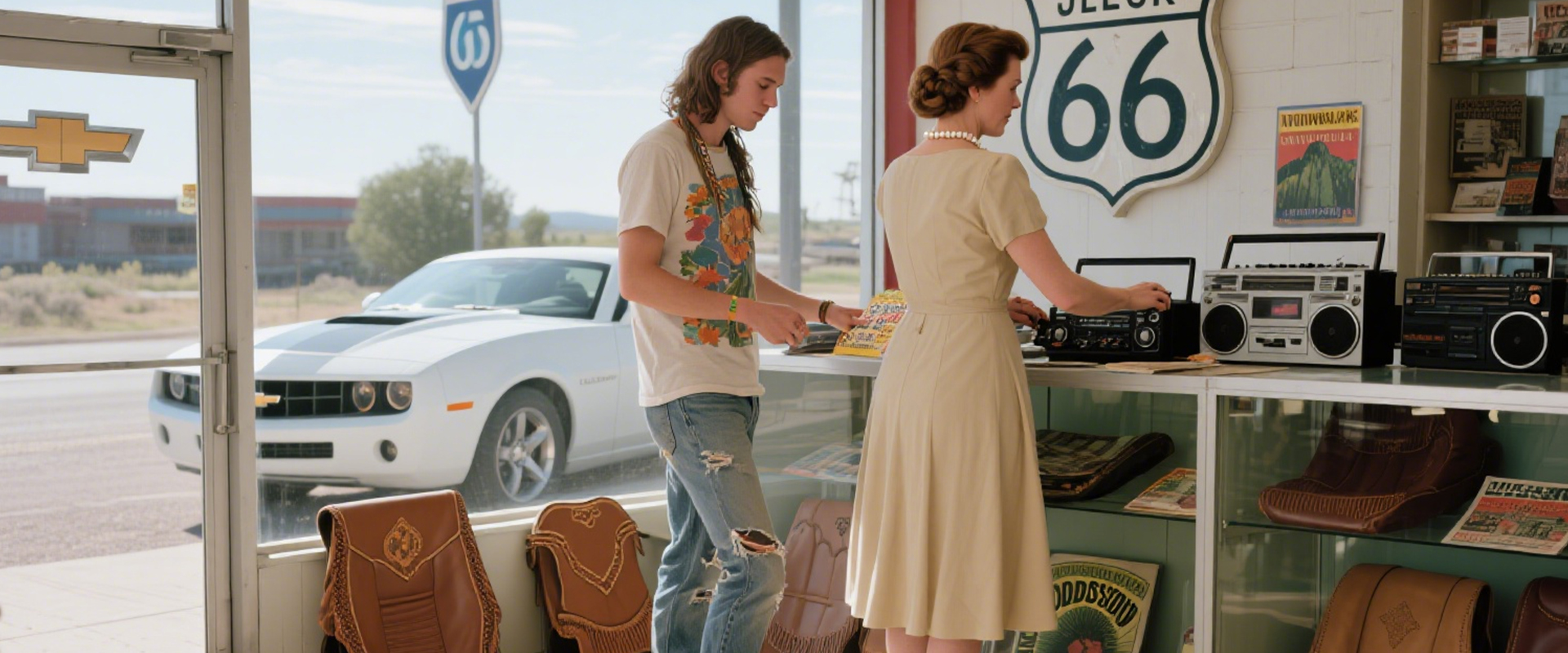
After the war, America roared along the highways. Amid the roar of muscle cars, Jagermeister welcomed its second-generation leader, Alice. She opened her first flagship store beside Route 66, with hand-sewn leather seat covers displayed in the glass window. Each stitch held the warmth of the Detroit workers. In the summer of 1969, hippie youth Jack drove a modified Chevrolet Camaro in: "I'm going to Woodstock. I need the coolest speakers and the softest footrests." Alice personally adjusted the car radio for him. When the melody of "Blowin' in the Wind" played, Jack left a concert ticket at the cash register: "This is for you, madam. You gave my journey a soul."
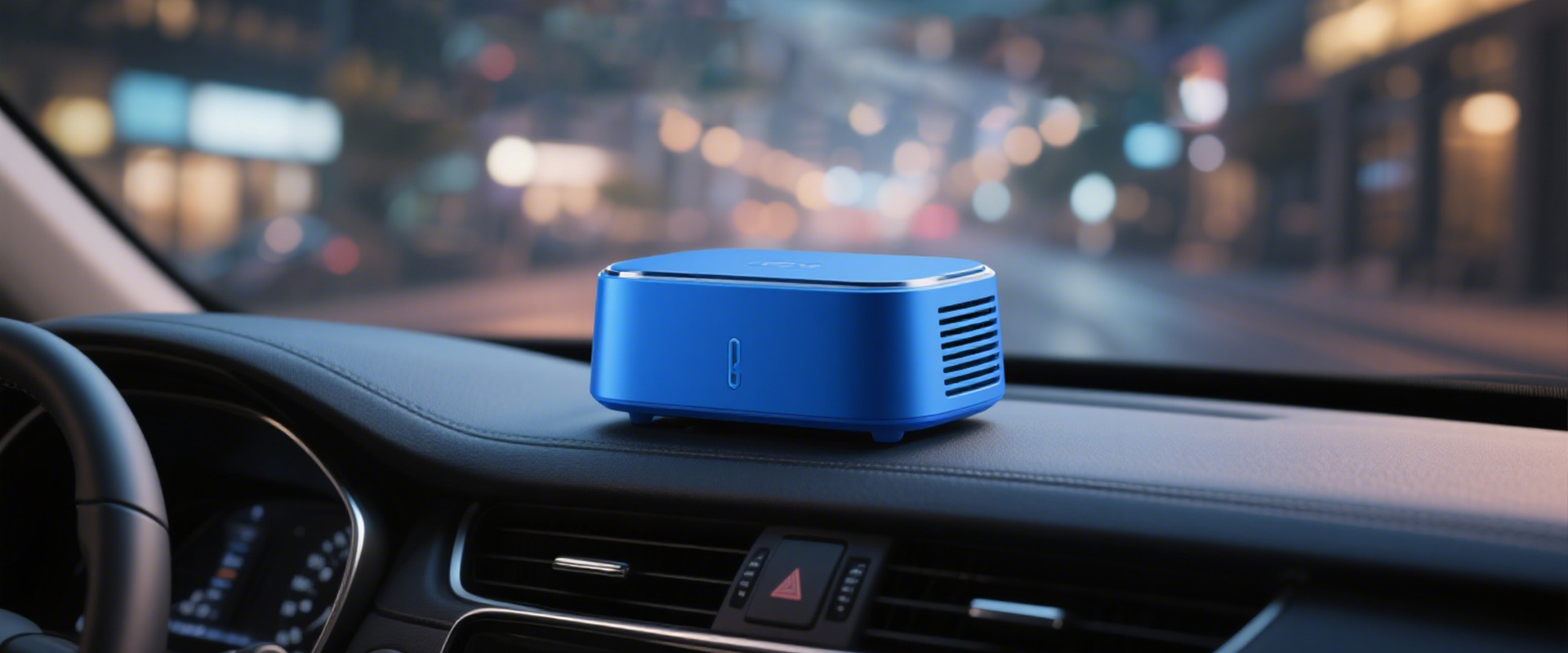
In the dawn of the millennium, the third-generation heir, David Hoffman, stood in a startup incubator in Silicon Valley. He declined the offer of venture capital and insisted on replicating the wooden steering wheel from his grandfather's era using 3D printing technology. "Technology should serve humanity, not replace it," he said in his TED speech, showcasing Jazel's intelligent air purifier, which can automatically adjust the wind speed according to the engine noise. When Tesla CEO Elon Musk sent a cooperation invitation, David pointed to the old photo on the wall: "My great-grandfather said in 1932 that a car is not a machine, but an extension of human limbs."
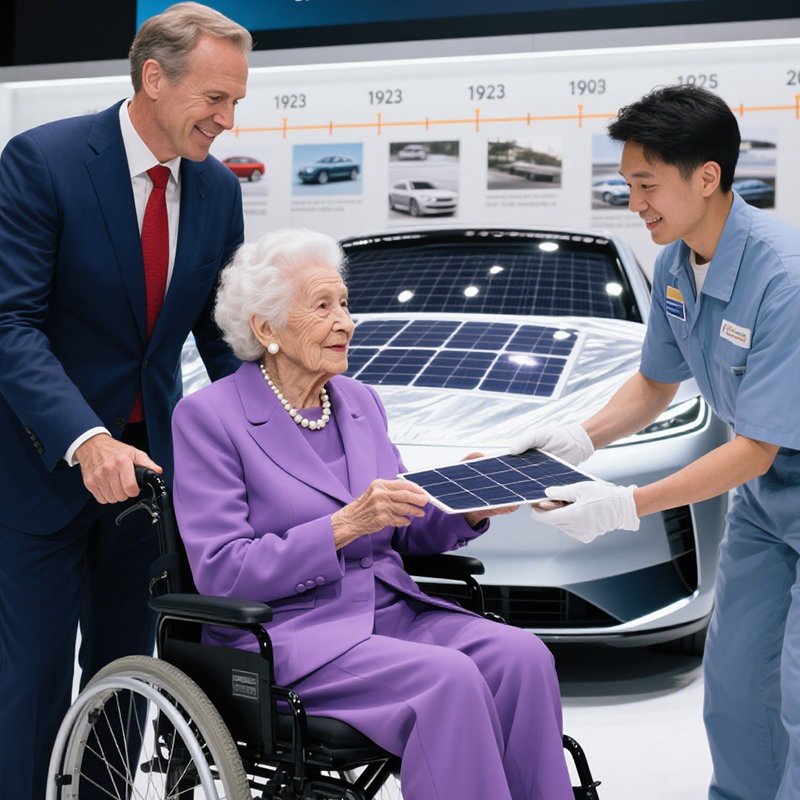
At the 2025 Los Angeles Auto Show, Jazel's booth was crowded to the point of being unable to move. 97-year-old Alice appeared in a wheelchair and handed the first set of solar car covers to the young environmental engineer herself. The photovoltaic panels on the surface of the car covers glimmered with a faint light, just like the kerosene lamp on his father's workbench back then. "Remember," she said, touching the smooth surface of the car cover, "each part has a story, and every road has a heartbeat."
At the 2025 Los Angeles Auto Show, Jazel's booth was crowded to the point of being unable to move. 97-year-old Alice appeared in a wheelchair and handed the first set of solar car covers to the young environmental engineer herself. The photovoltaic panels on the surface of the car covers glimmered with a faint light, just like the kerosene lamp on his father's workbench back then. "Remember," she said, touching the smooth surface of the car cover, "each part has a story, and every road has a heartbeat."
From the iron-clad warehouses of Detroit to the global chain of smart stores, Jager witnessed the century-long transformation of American automotive culture. Here, there were the坚守 during the Great Depression, the warmth in times of war, the freedom of the hippies, and the innovation of Silicon Valley. But what remained unchanged was the warmth of the Hoffman family's palms - when you turn the steering wheel of Jager, what you touch is not only cold metal, but also a century of love and protection.
As the engine roared, Jetstar continued to tell those stories about trust, inheritance and dreams. Because they knew that automotive products are not cold commodities, but rather the bond that connects people with machinery, and the link between the past and the future. In the grip marks of each steering wheel, and in the creases of each footrest, there lies a beating heart waiting to be heard.